M-F: 9-4 + by appointment

772-742-DrWy (3799)

ask Dr. Wy - vero's Source for Expert Health Advice
Welcome to "Ask Dr. Wy" - your go-to resource for expert health advice. Dr. Wyderski, our trusted physician at Wyderski Health, provides valuable insights and practical solutions to enhance your well-being. From nutrition and mental health to aging gracefully, our blog covers it all. Stay informed, make proactive choices, and lead a healthier life with "Ask Dr. Wy."

Dr. Wy, why does my doctor want me to check something called my L-P-A? Is it important?
Ask Dr. Wy…
Richard Wyderski, MD, FACP
Dr. Wy, why does my doctor want me to check something called my L-P-A? Is it important?
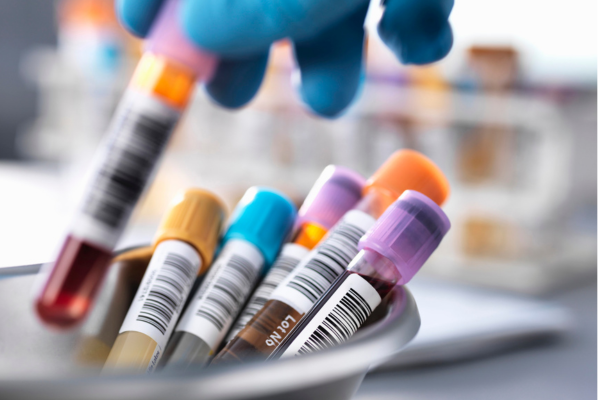
Most people know what their LDL “bad” cholesterol level is, and people at higher risk for stroke and heart attacks are usually on medication to reduce it. We’ve also known about the lipoprotein(a), a.k.a. Lp(a), risk effect for decades, and 1 in 5 people have a high level.
Lp(a) is like LDL except it has an attached molecule that makes it much more likely to block arteries than LDL. Everyone has some Lp(a), but people with high levels are at much higher risk for heart attacks and strokes. The elevation is inherited and diet doesn’t lower it. Not many people have had it checked because all knowing would do is increase anxiety. Sometimes a high level would be used to convince a patient to take a medication to lower their LDL cholesterol, which could make a difference.
Now knowing your Lp(a) will be more important since medications are now in the pipeline that reduce Lp(a) levels by 80% or more. Though we know they are very effective lowering the Lp(a) level, we still need proof that they reduce the risk sf strokes and heart attacks more that statin treatment alone. In the meantime, the medication ezetimibe added to a statin not only lowers LDL “bad’ cholesterol by an additional 15-20% but also reduces Lp(a) by 5-10%.
For these reasons, the Lp(a) level IS important for us to know, and the higher one’s risk of stroke and heart attack, the more important it becomes. We need all the stroke and heart attack prevention we can get!
Have a question for Dr. Wy? Please submit to [email protected]

Tel:772-742-DrWy (3799)
Fax: 772-742-3797

©2023 Wyderski Health. All rights reserved.


